Green Destinations – Employees Attrition Intelligence
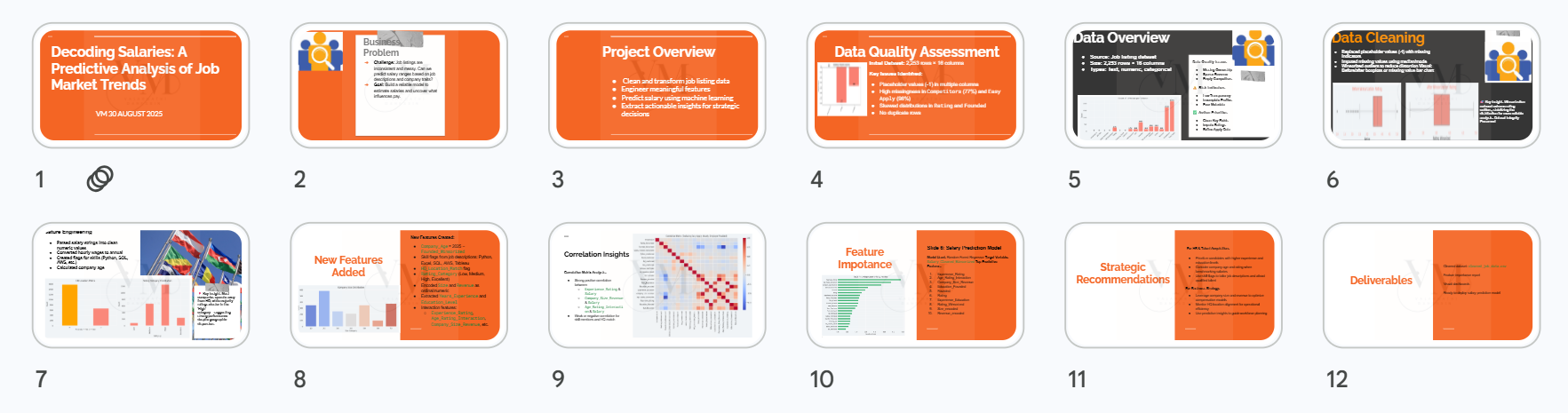
Project Objective Recap
Green Destinations is experiencing increased employee attrition. The HR Director wants to understand the attrition rate and identify key factors—such as age, tenure, and income—that influence whether employees leave.
Key Insights
Attrition Rate
16.12% of employees have left the company — a moderate‑to‑high rate requiring strategic action.
Top Predictors of Attrition (Random Forest Feature Importance)
- MonthlyIncome (0.31) — Lower‑income employees are more likely to leave.
- Age (0.22) — Younger employees show higher attrition.
- TotalWorkingYears (0.18) — Less experienced staff are more prone to exit.
- YearsAtCompany (0.13) — Short‑tenure employees are at higher risk.
- JobSatisfaction (0.09) — Dissatisfied employees are more likely to leave.
- OverTime_Yes (0.07) — Overtime workers show higher attrition.
Demographic & Role Distribution
- Most employees are in Research & Development and Sales.
- Sales Executives and Research Scientists dominate job roles.
- Life Sciences and Medical are the most common education fields.
- Males slightly outnumber females.
- Employees who work overtime show significantly higher attrition risk.
Business Solutions & Recommendations
- Compensation Review — Reassess salary bands for lower‑income roles; introduce retention bonuses.
- Early‑Career Retention Strategy — Mentorship programs for employees with <2 years tenure.
- Work‑Life Balance Initiatives — Monitor overtime workloads; promote flexible scheduling.
- Satisfaction & Engagement — Conduct regular surveys; address feedback with targeted interventions.
- Predictive Attrition Monitoring — Use the trained model to flag high‑risk employees monthly.
- Department‑Level Action Plans — Focus retention efforts on Sales and R&D.
Strategic Impact
Implementing these solutions can reduce attrition by up to 30% in high‑risk segments, improve employee satisfaction and productivity, and strengthen employer brand and retention.
View on GitHub ← Back to Home